
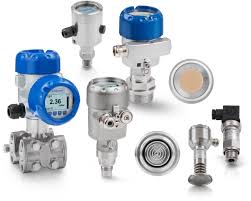
Pressure is defined as the ratio of force applied over a surface, and it plays a critical role in industrial applications, system design, and equipment manufacturing. Gases and liquids continuously exert pressure on surfaces. Accurate pressure measurement is vital in industrial units and devices, as fluctuations in pressure can lead to hazardous situations. To ensure systems function correctly and safely, pressure control and measurement equipment is essential. The selection of these devices depends on the type of device and system being used.
Note: Pressure is not an absolute quantity and must be measured relative to a reference pressure unit. Therefore, there are different methods for measuring pressure, which will be explained below.
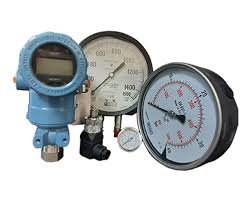
Types of Pressure Control and Measurement Equipment:
- Manometer (Analog Pressure Gauge)
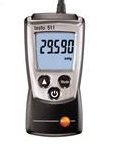
- Digital Pressure Gauge
- U Siphon
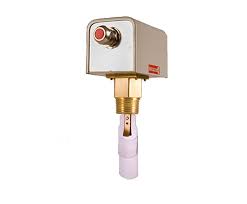
- Pressure Switch
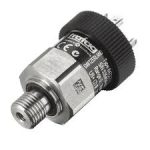
- Pressure Transmitter
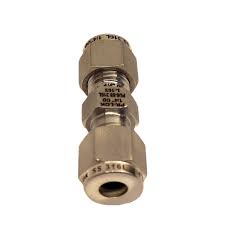
- Gauge Union
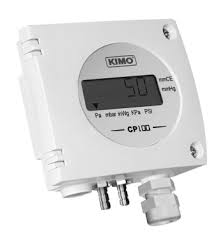
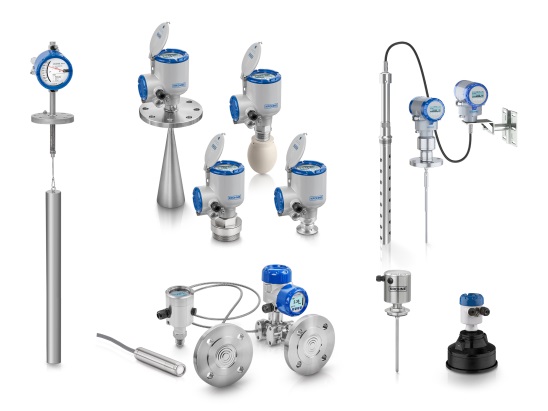
- Differential Pressure Transmitter
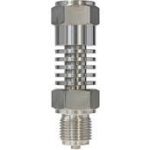
- Cooling Element
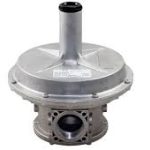
- Gas Regulator and Balancer
- Pressure Gauge
- Snubber
- Portable Manometer
- Pressure Sensor
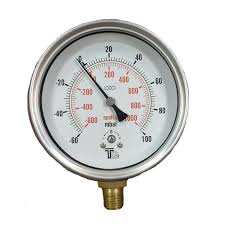
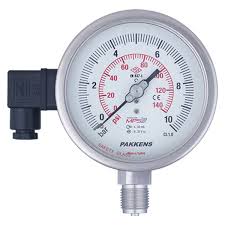
Pressure Units:
- Pascal (Pa)
- Bar (bar)
- Atmosphere (atm)
- Torr (Torr)
- Pounds per square inch (psi)
Pressure Measurement Methods:
- Absolute Pressure: The static pressure found in a vacuum, representing the total force per unit area. Units of measurement include Paa, bara, or psia.
- Gauge Pressure: The relative pressure measured by most pressure gauges, which indicates the difference between the measured pressure and atmospheric pressure.
- Differential Pressure: The difference in pressure between two points, typically measured in units such as Pad, bard, or psid.
Features of Pressure Control Equipment:
- Type of Pressure Gauge
- Ambient Temperature Range
- Fluid Temperature Range
- Pressure Measurement Range
- Material of the Body
- Type and Material of Connection
Reviews
There are no reviews yet.